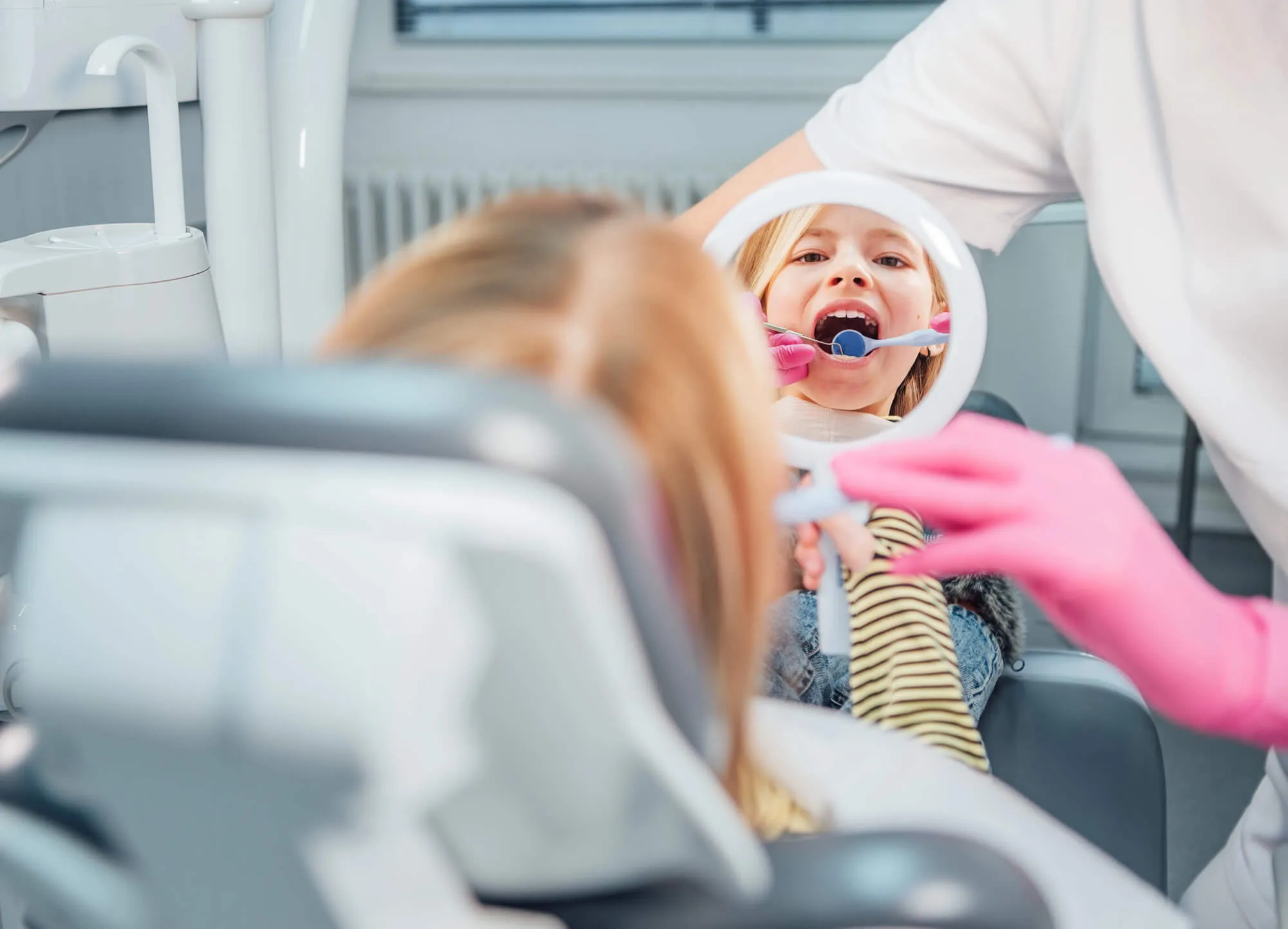
Getting a toddler to sit still for thirty seconds of brushing can feel like a small miracle some mornings. Still, the habits families build in these early years shape a child's relationship with oral care for life, long after the toothbrush battles fade.
Pediatric dentistry in Issaquah can help make that groundwork feel manageable instead of overwhelming, with care for young smiles designed around real family routines rather than a one-size-fits-all script.

Baby teeth do more than fill out a smile. They help children chew, speak clearly, and make room for the adult teeth that arrive later, so losing one too early can cause crowding down the road. When plaque is left to sit on those teeth, problems can start quickly, since a child’s enamel is thinner and more vulnerable than an adult’s.
The CDC’s oral health guidance outlines how common preventable tooth decay still is among young children, which is exactly why the daily basics matter so much.
Brushing should begin the moment the first tooth appears, usually around six months. A soft, rice-sized smear of fluoride toothpaste is enough at this stage, applied with a small, soft-bristled brush made for infants. Parents can increase the amount to a pea-sized amount once a child is old enough to spit rather than swallow, generally around age 3.
Consistency beats intensity here. A predictable routine, same time and same steps every day, tends to work better than an occasional deep clean squeezed in after a meltdown. A few small adjustments can turn brushing from a nightly negotiation into something kids expect:
The American Dental Association shares more fun ways to encourage brushing if the current routine has gone stale.
Some resistance is normal, especially once toddlers start testing independence. Offering two acceptable choices, like which toothbrush color to use or which song to sing, gives them a sense of control without turning brushing into a debate. Consistency, not punishment, is usually what makes a habit stick, even on the nights it feels like nothing is working.
Brushing at home works best alongside regular checkups. Routine cleanings catch small issues before they grow into bigger ones, and a hygienist can spot habits worth adjusting long before a cavity forms. Pairing solid everyday hygiene habits with consistent professional cleanings gives kids the best possible foundation for a healthy smile.
HealthyChildren.org, from the American Academy of Pediatrics, also notes that starting oral care early supports better outcomes well into adolescence, making those first few checkups more valuable than they might seem.

Good brushing habits set the stage, but a dental team backing up that routine makes all the difference. At APEX Dental Care, our pediatric-focused care is built for real families managing real schedules, not perfection, and we would rather meet a child where they are than push a routine that does not fit.
Whether it is time for a cleaning, a first visit, or just some reassurance that things are on track, reach out to schedule a visit, and let’s build healthy smiles together, one habit at a time.
.webp)


