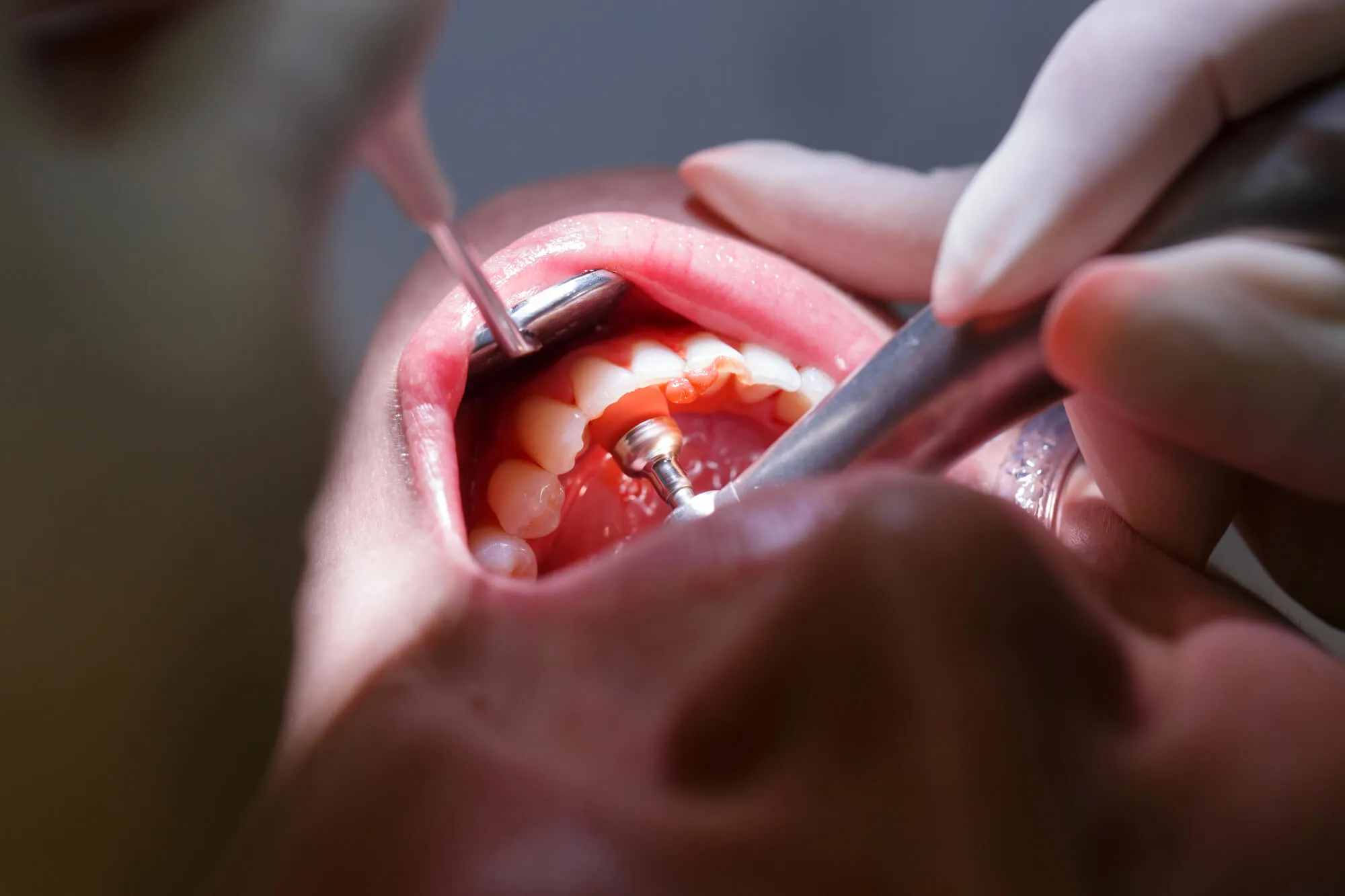
Bleeding while brushing, tender gums, or persistent bad breath can be easily dismissed, especially when there’s no accompanying pain. Still, these signs shouldn’t be brushed off. Gum disease doesn’t look or feel the same at every stage, and symptoms often change as it progresses. Having your gums checked allows for a clear diagnosis to be made, so gum disease treatment in Issaquah can begin early, helping to protect your oral health before problems worsen and create lasting damage.

Gum disease develops gradually. It doesn’t appear overnight, and it often begins without discomfort. That’s why it can go unnoticed for long periods. Understanding how gum disease changes over time helps you recognize when professional care may be needed.
Gingivitis is the earliest stage of gum disease. In this phase, inflammation affects only the gum tissue and has not reached the bone or deeper support structures. Common signs include redness, puffiness, tenderness, and bleeding during brushing or flossing.
At this stage, improvement is often possible with professional cleanings and consistent home care. Plaque and tartar buildup around the gumline irritate the gums, and once these deposits are removed, the tissue may return to a healthier state. Daily brushing, flossing, and routine dental visits help support this improvement.
If early gum disease is not addressed, it can progress into periodontitis. At this stage, inflammation extends below the gumline and affects the tissues and bone that support the teeth. Pockets may form between the gums and teeth, allowing bacteria to collect in areas that are difficult to clean at home.
Signs may include persistent bad breath, gum recession, increased sensitivity, or changes in how teeth feel when biting. Teeth may appear longer as gums pull away, and the spacing between teeth can shift over time. Professional care is necessary to manage bacteria below the gumline and protect the supporting structures.
The earlier gum disease is identified, the more conservative the care can be. Professional cleanings and focused home care may be sufficient during the early stage. As the condition advances, deeper cleanings such as scaling and root planing may be recommended to remove bacteria and smooth the tooth roots.
Routine dental visits allow your dentist to measure gum health, check for inflammation, and monitor subtle changes that aren’t always visible. These visits help prevent minor concerns from escalating into more complex issues.
Every day habits influence how gum disease develops and progresses. Inconsistent brushing or flossing allows plaque to accumulate along the gumline. Smoking, stress, and certain health conditions can affect how gums respond to bacteria. Dry mouth may also reduce the natural cleansing effect of saliva.
Your dentist can help refine your home care routine, suggest tools that improve cleaning around the gums, and identify habits that may be contributing to irritation.
Professional gum disease care focuses on removing plaque and tartar from areas that brushing alone cannot reach. Scaling and root planing clean below the gumline and smooth the tooth roots, helping gums reattach more comfortably. Follow-up visits enable your dentist to monitor your healing progress and adjust your care as necessary.
Education plays a key role in treatment, helping patients maintain healthier gums between visits.

At APEX Dental Care, we approach gum health with care, precision, and compassion. The team provides personalized gum disease treatment designed around your comfort, goals, and lifestyle. Using gentle techniques and advanced technology, they help patients maintain healthier gums and protect their smiles over time.
If you’ve noticed changes in your gums or it’s been a while since your last dental visit, support is available. Schedule an appointment with APEX Dental Care today and experience thoughtful, patient-focused care that helps Issaquah families feel confident about their oral health.
.webp)


