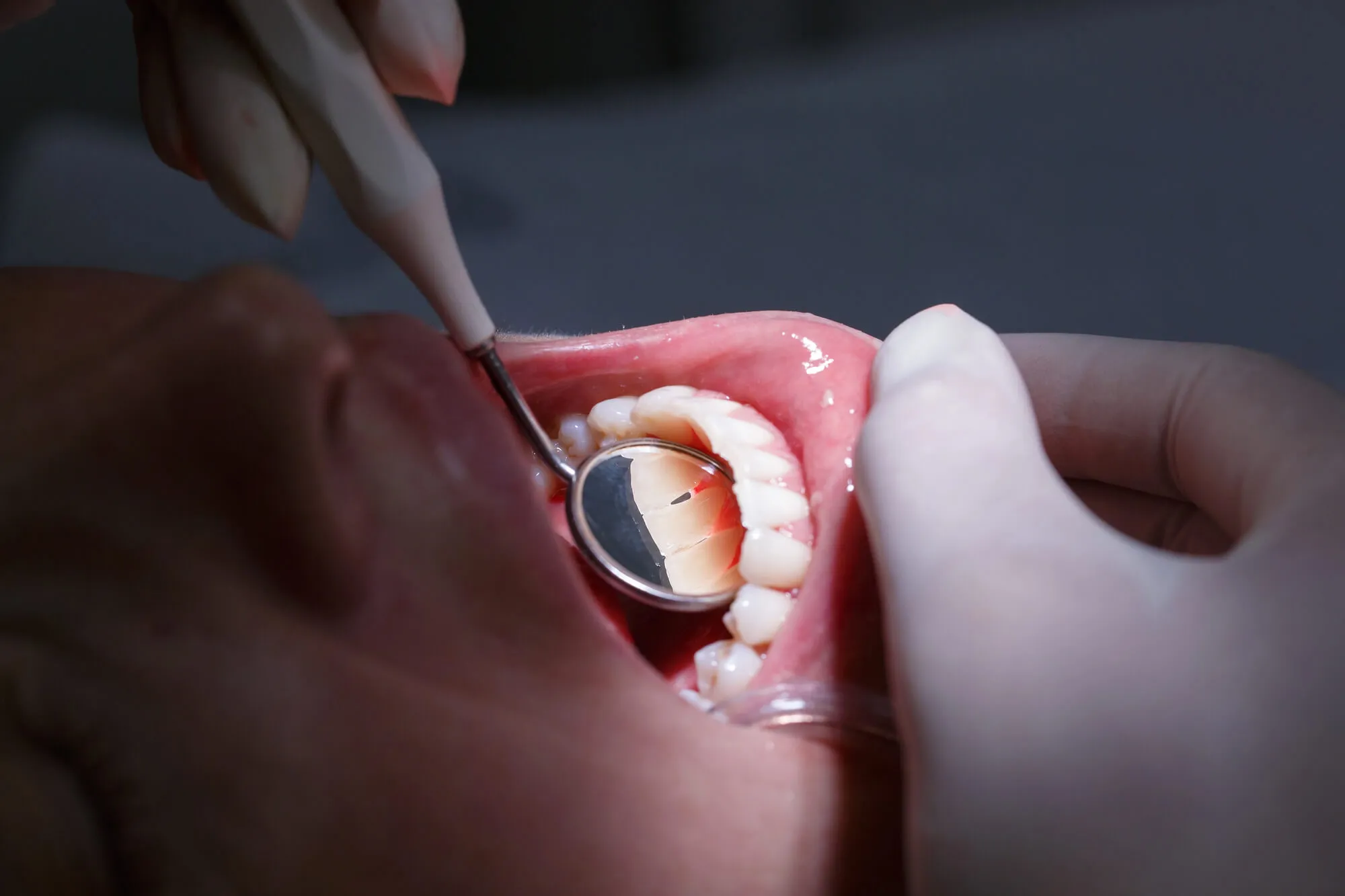
Following treatment for gum disease, it's natural to pay closer attention to your gums. You may notice less bleeding one day, lingering tenderness the next, or wonder whether your recovery is progressing as expected. Healing rarely follows the same timeline for everyone, and small differences from person to person are normal. Knowing what recovery typically looks like after gum disease treatment in Issaquah can help you recognize positive progress and understand when it's time to check in with your dentist.
Healing doesn't happen overnight. Recovery depends on the severity of gum disease, the treatment you received, and your daily oral care afterward. A professional cleaning for early gum disease may involve a shorter recovery than scaling and root planing for more advanced periodontal disease. Your dentist will explain what to expect based on your specific needs.
If gum disease is diagnosed during the gingivitis stage, improvement may begin within several days after a professional dental cleaning. Removing plaque and tartar can reduce inflammation, and your gums may become less swollen and bleed less during brushing or flossing.
Good home care supports this process. Brushing twice a day, flossing daily, and keeping regular dental appointments all help your gums continue healing.
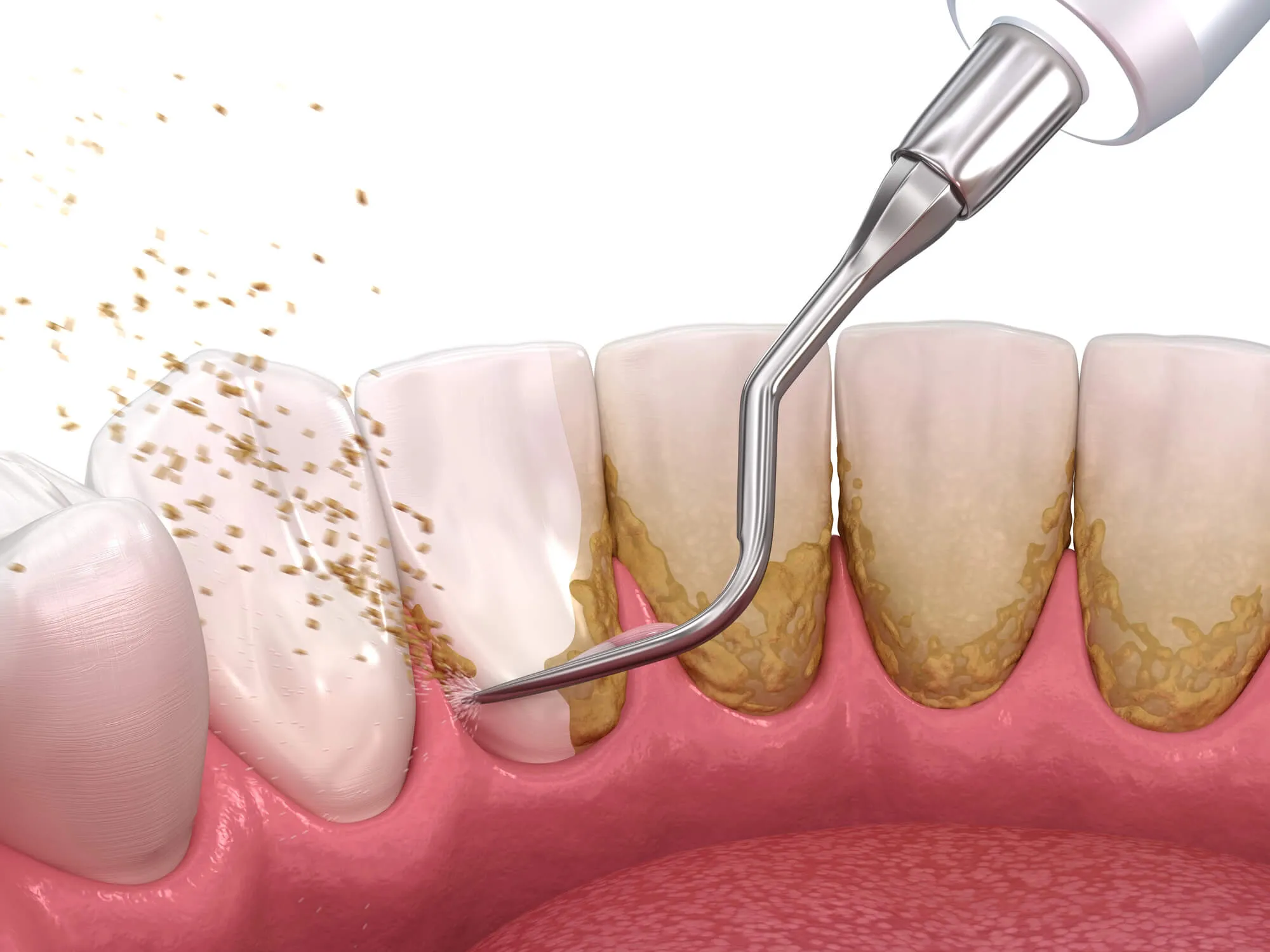
For more advanced gum disease, your dentist may recommend scaling and root planing, often called deep cleaning. This treatment removes plaque and tartar below the gumline and smooths the tooth roots, creating a cleaner surface that allows the gums to begin healing.
Depending on the condition of your gums, treatment may be completed in one visit or over multiple appointments. Mild tenderness or tooth sensitivity afterward is common and usually improves as your gums continue healing over the following days and weeks.
Professional treatment begins the healing process, but your daily routine helps determine how well your gums recover.
Your dentist may recommend:
These habits help reduce plaque and support healthier gums after treatment.
Healing happens gradually, so changes may be subtle at first. As inflammation decreases, you may notice improvements in both comfort and appearance.
Positive signs often include:
If pain, swelling, or bleeding becomes worse instead of improving, contact your dental office so your gums can be evaluated.
Healing continues well after your initial treatment. Follow-up visits allow your dentist to monitor your progress, measure periodontal pockets, and evaluate how your gums are responding.
These appointments also provide an opportunity to review your home care routine and determine whether periodontal maintenance visits are recommended to help keep gum disease under control.
Gingivitis often improves with professional care and consistent brushing and flossing. More advanced gum disease can usually be managed successfully, though healing depends on how much supporting gum and bone tissue was affected before treatment began.
Yes. Mild soreness or tooth sensitivity is common after scaling and root planing or other periodontal treatments. These symptoms typically improve as your gums heal.
Following your dentist's instructions, maintaining good oral hygiene, avoiding tobacco products, and attending follow-up appointments all help support healthy healing.

Healing after gum disease treatment takes time, and every person's recovery is different. Consistent home care and regular follow-up visits help your dentist monitor your progress and support healthier gums as they heal.
At APEX Dental Care, personalized treatment and patient education are at the heart of every visit. If you have questions about your recovery or your gums are not improving as expected, schedule an appointment today and let our team help you maintain a healthier, more comfortable smile.
.webp)


