
A quick zing from cold water or a lingering ache while chewing can leave you wondering what’s happening with your teeth. While many assume tooth sensitivity and tooth pain are the same, they actually feel different and may indicate distinct dental concerns. If you’ve experienced a toothache in Issaquah, understanding how these sensations compare can help you decide whether to monitor the feeling or seek professional care.
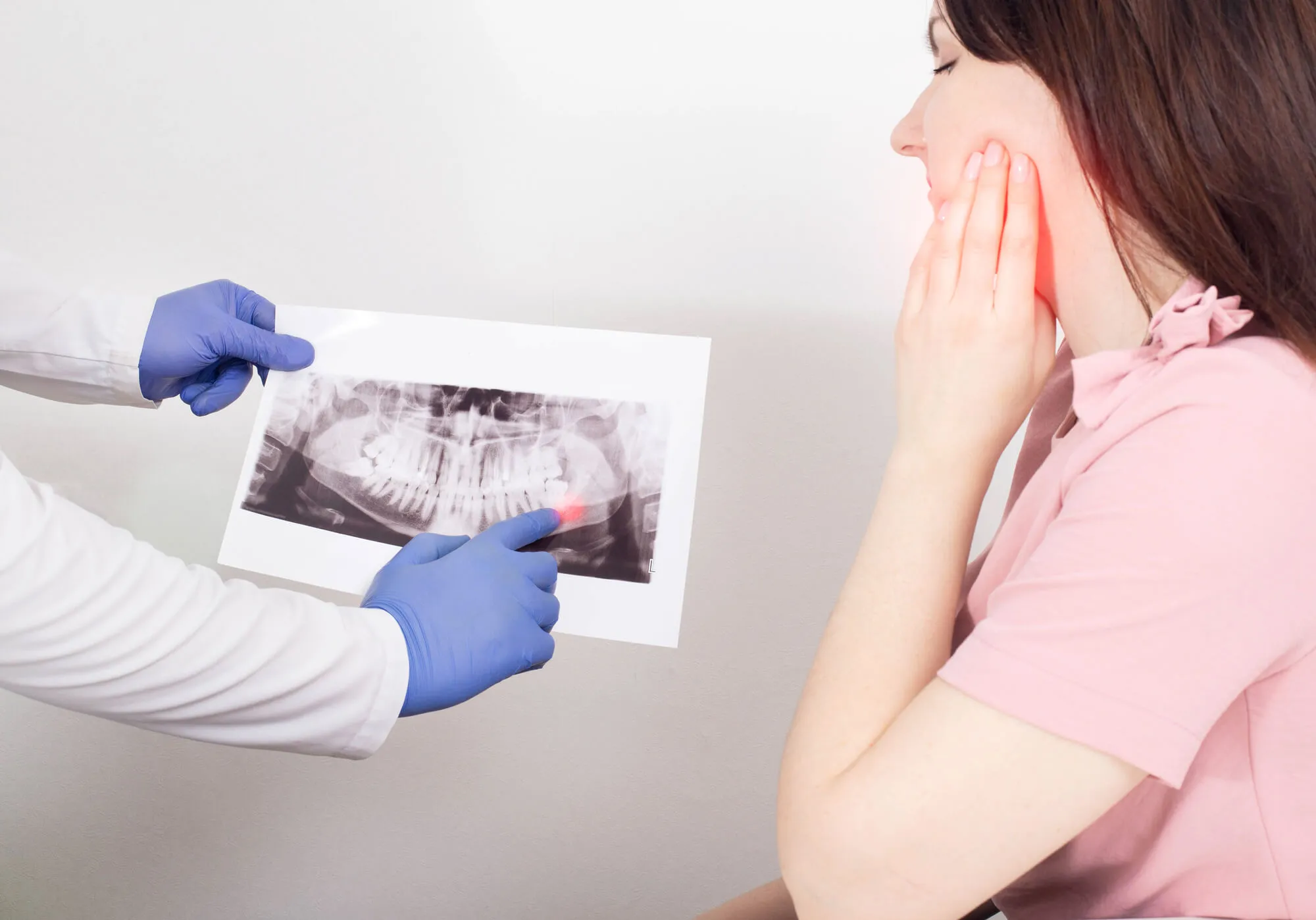
Sensitivity and tooth pain both signal that something is affecting the tooth. The way they feel and the situations that trigger them can vary. Recognizing these patterns helps dentists identify the underlying cause.
Tooth sensitivity usually appears as a quick, sharp sensation triggered by something specific. Cold drinks, hot foods, sweet snacks, or even a rush of cool air can cause a brief sting.
This occurs when the protective enamel layer becomes thinner, or gum tissue pulls away slightly from the tooth surface, exposing the dentin layer beneath. The dentin contains tiny channels that lead toward the tooth’s nerve, which explains the sudden reaction to temperature or sweetness. Sensitivity often fades quickly once the trigger disappears.
Tooth pain tends to last longer and may feel deeper or more intense. It can appear as throbbing, pressure, or discomfort while biting. Sometimes the pain continues even without a clear trigger.
This type of pain may occur when the tooth’s inner structures become irritated. Cavities, cracks, infections, or inflammation around the tooth root can all lead to persistent discomfort.
Pain that lingers, worsens, or radiates to the jaw or ear should be evaluated by a dentist.
Several everyday factors can lead to tooth sensitivity. Brushing with excessive pressure can gradually wear enamel near the gumline. Acidic foods and drinks may also soften enamel over time.
Teeth grinding, gum recession, or whitening products may increase sensitivity as well. In many cases, small adjustments in brushing habits, toothpaste choice, or diet can help reduce the sensation.
A dental visit allows your dentist to identify the source and suggest appropriate care.
Sensitivity is often temporary, though it can sometimes indicate a developing issue. If the sensation becomes stronger, occurs more frequently, or begins to feel like a dull ache, the tooth may need closer evaluation.
For example, early decay or a small crack in a tooth can begin with mild sensitivity before progressing into more noticeable discomfort.
Paying attention to changes helps prevent small concerns from becoming more complicated.
Persistent tooth pain rarely improves without dental care. Swelling, sensitivity to pressure, or pain that interrupts sleep may point to deeper irritation inside the tooth.
Prompt evaluation can identify the cause and restore comfort. The dentist will check your tooth structure, gums, and surrounding tissues to determine the next step.
Occasional sensitivity may respond to small changes in oral care habits. Ongoing discomfort, frequent sensitivity, or any lingering pain deserves professional attention.
A dental exam allows the dentist to assess enamel wear, gum health, and possible decay or fractures. Early evaluation often results in simpler care and helps preserve the natural structure of your teeth.

At Apex Dental Care, patient comfort and education are a priority. The team listens to concerns, thoroughly evaluates symptoms, and recommends care that supports long-term oral health. Whether you experience brief sensitivity or a persistent toothache, the goal is to identify the cause and restore comfort with gentle, attentive care.
If you have noticed changes in how your teeth feel, support is available. Schedule a consultation with Apex Dental Care to receive dental care designed to help Issaquah families maintain healthy, confident smiles.
.webp)


