Parents often feel surprised when a child gets a cavity, especially if brushing seems consistent at home. Many wonder what went wrong or how decay appeared so quickly. Cavities in children can develop quietly, and small habits add up over time. Knowing the causes helps families respond early. If you’re looking for guidance on pediatric dentistry in Issaquah, understanding what causes cavities is a helpful step toward protecting growing smiles.

Cavities form when bacteria in the mouth produce acids that weaken tooth enamel. Children’s teeth are more delicate than adult teeth, so decay can develop faster. Understanding everyday risk factors helps parents reduce their child's risk of cavities.
Sugary foods and drinks feed the bacteria that cause tooth decay. Juice, flavored milk, sticky snacks, and candy can cling to teeth, creating an environment where acids form quickly.
Snacking often without brushing afterward allows bacteria to stay active longer. Offering water between meals and limiting sugary treats to mealtimes can help protect enamel.
Young children need guidance with brushing and flossing. Even when kids brush daily, they may miss the back teeth or gumline where plaque collects.
Parents can help by brushing their child's teeth, checking missed areas, and using a pea-sized amount of fluoride toothpaste. Building routines in the morning and at night supports stronger enamel.
Falling asleep with milk, juice, or sweetened drinks in a bottle or cup can increase cavity risk. Sugars stay on teeth overnight while saliva flow slows during sleep.
Offering only water before bed and brushing after the last drink helps reduce this risk.
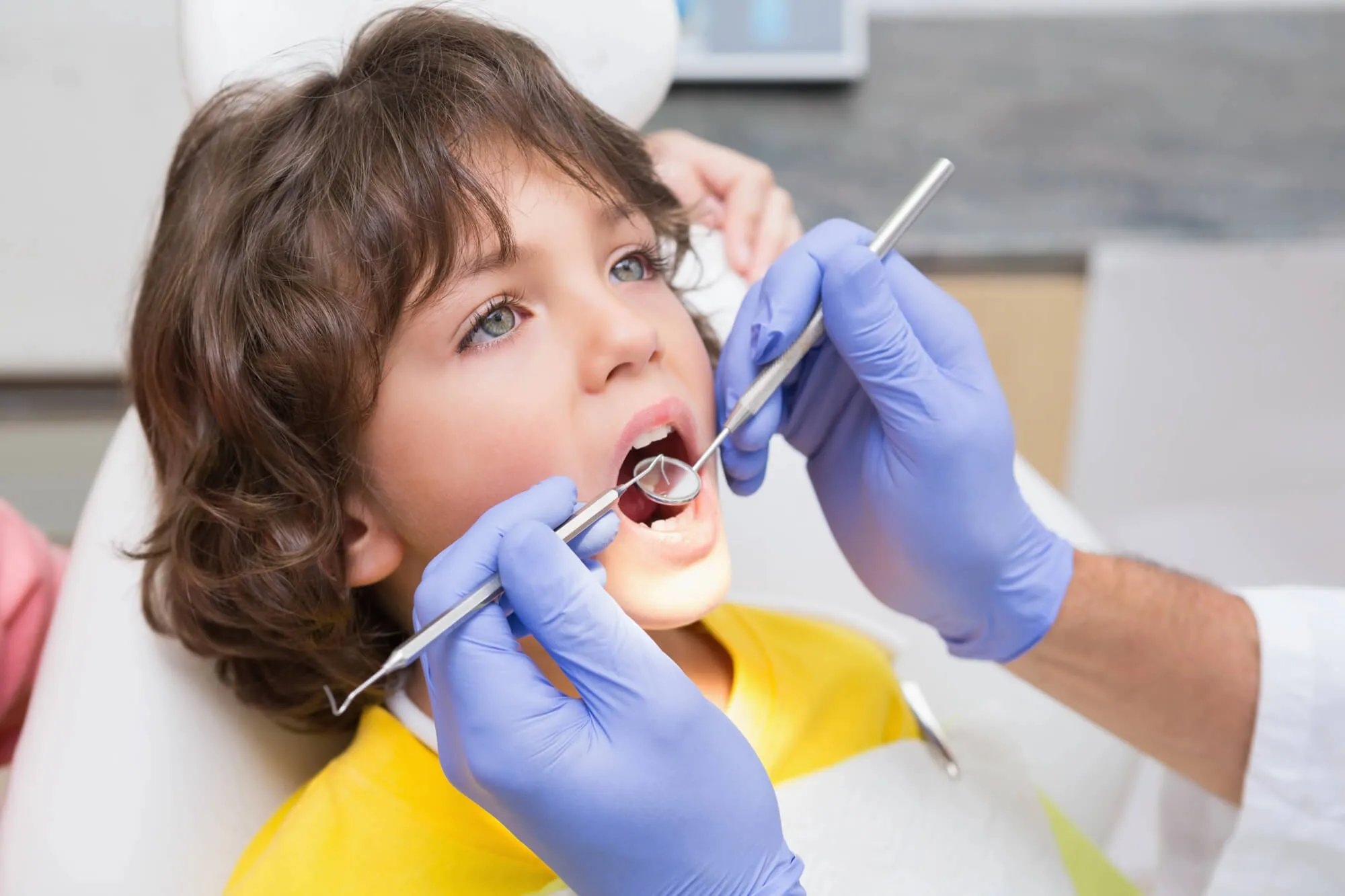
Routine dental visits allow dentists to monitor growth, clean hard-to-reach areas, and catch early signs of decay. Children may not notice small cavities, and parents may not see them either.
Early visits also provide families with guidance on brushing habits, dietary choices, and fluoride use tailored to a child’s needs.
Molars often have natural grooves that trap food and plaque. These areas are difficult for young children to clean thoroughly. Dentists may recommend sealants to protect these surfaces and reduce the risk of cavities.
Sealants create a thin protective layer that helps keep bacteria from settling into these grooves.
Some medications or health conditions can reduce saliva flow. Saliva helps wash away food particles and neutralize acids. When saliva is low, cavities may form more easily.
If your child takes medication regularly, your dentist can suggest ways to keep the mouth moist and clean.

Cavities in children often come from small daily habits such as frequent sugary snacks, missed brushing spots, or delayed dental visits. With guidance and consistent routines, many of these causes are manageable. Watching for early signs, helping kids brush well, and scheduling regular checkups can protect young teeth as they grow.
At Apex Dental Care, children’s visits are calm, friendly, and supportive. Our team explains each step, answers questions, and helps kids feel comfortable as they build healthy habits that last. If you have concerns about cavities or want advice on home care, support is available.
Schedule an appointment with Apex Dental Care today and help your child maintain a confident, healthy smile.
.webp)


