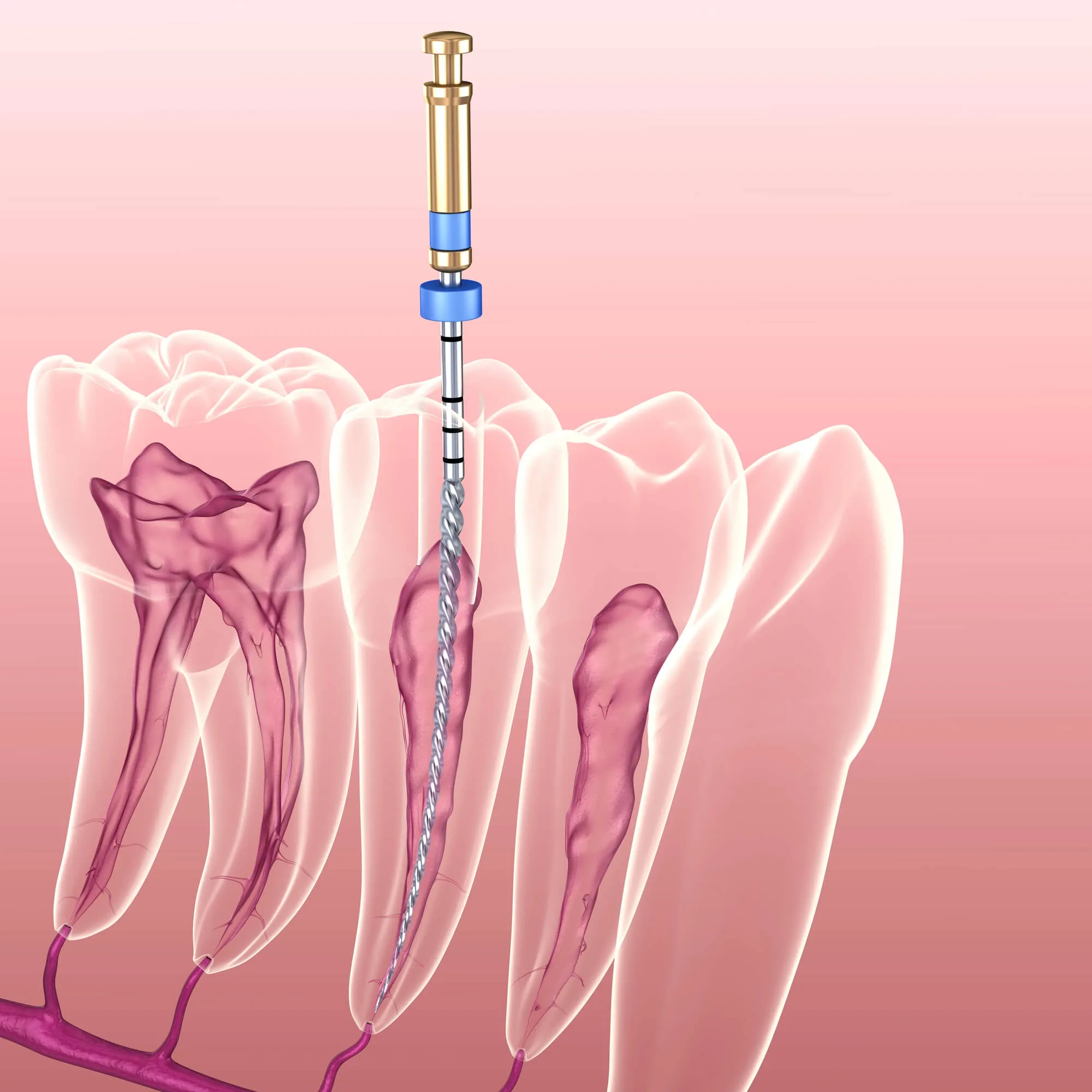
A lingering toothache can be easy to put off, especially when the discomfort comes and goes. Many people hope the pain will settle on its own or assume treatment can wait a little longer. The problem is that pain inside a tooth often signals deeper irritation or infection that won’t improve without care. If you’ve been told you may need a root canal in Issaquah, understanding what happens when treatment is delayed can help protect your comfort, oral health, and natural tooth.
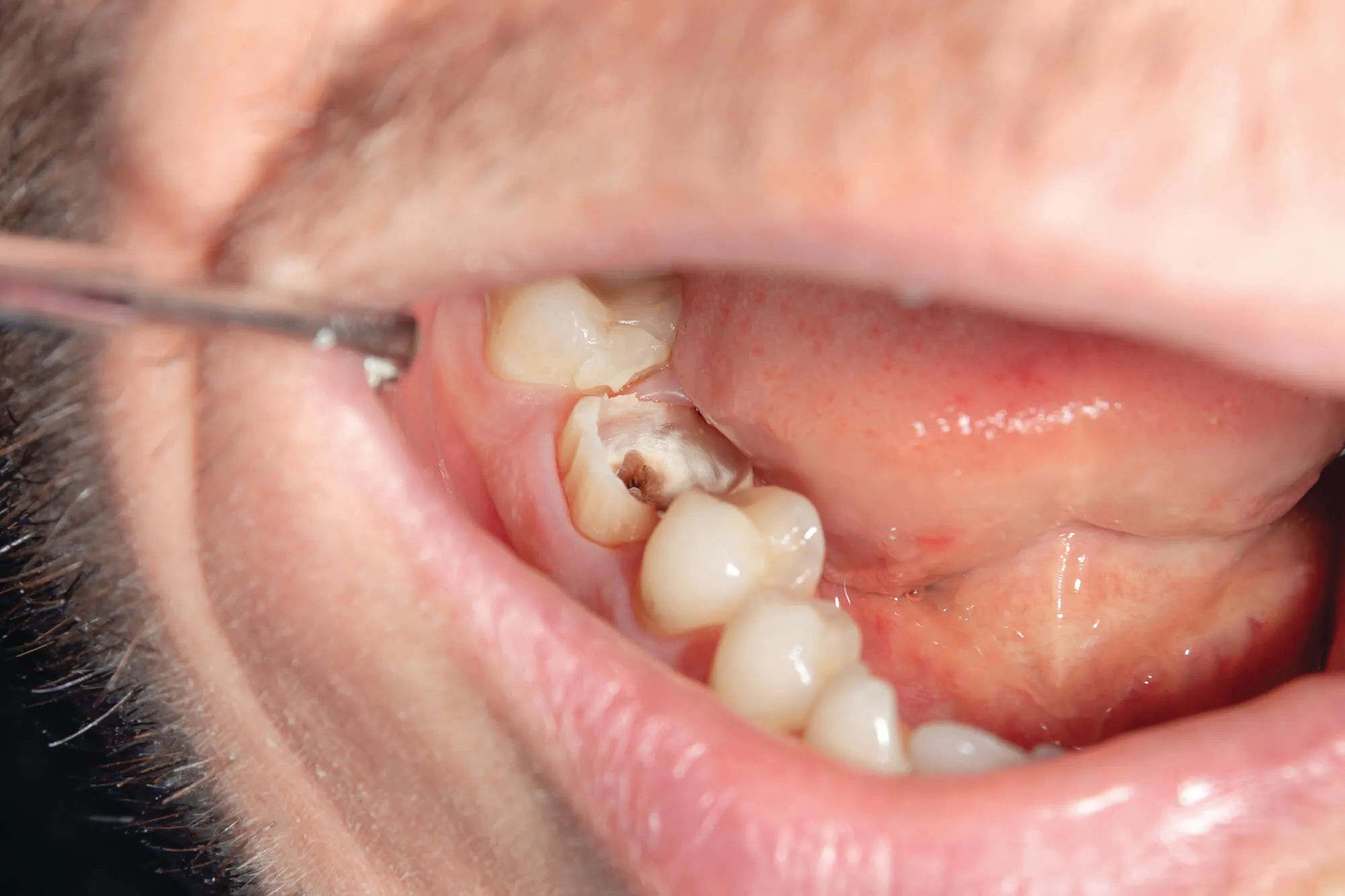
A root canal is usually recommended when the inner portion of the tooth, called the pulp, becomes inflamed or infected. This can happen because of deep decay, cracks, trauma, or repeated dental procedures on the same tooth.
The goal of treatment is to remove infection, relieve discomfort, and preserve the natural tooth structure whenever possible.
Tooth pain rarely stays the same when infection continues to spread inside the tooth. What starts as mild sensitivity may become sharp pain while chewing, lingering throbbing, or discomfort that interrupts sleep.
In some cases, the pressure inside the tooth increases as inflammation worsens. This can make eating, drinking, or even speaking uncomfortable.
The inside of the tooth connects to the surrounding tissues through the tooth roots. If infection progresses, bacteria may spread beyond the tooth and affect the gums, jawbone, or nearby areas.
Swelling in the gums, face, or jaw may develop as the infection expands. Some people also notice a bad taste in the mouth or drainage near the tooth. These symptoms should never be ignored.
The Tooth May Become Harder to Save
Early treatment often allows more of the natural tooth structure to remain intact. Delaying care can weaken the tooth further, especially if decay or infection continues to damage the inside of the tooth.
In severe situations, the tooth may no longer be stable enough to restore with a crown after root canal treatment. This may limit treatment options and increase the likelihood of extraction.
Persistent dental pain affects more than just the mouth. Chewing may become uncomfortable, certain foods may need to be avoided, and concentration can become harder when discomfort continues throughout the day.
Some people also begin chewing on only one side of the mouth to avoid pain, which can place extra pressure on surrounding teeth and muscles.
What begins as mild discomfort can turn into a dental emergency if swelling or severe pain develops. Waiting too long may lead to urgent visits, stronger discomfort, and more complicated treatment needs.
Addressing concerns earlier often allows for a more controlled and comfortable experience.
Seeking care sooner allows your dentist to evaluate the tooth before the infection progresses further. Root canal treatment removes damaged tissue inside the tooth while helping preserve its outer structure.
After treatment, many teeth are restored with a crown to provide strength and protection during everyday use. Follow-up care and routine dental visits also help support long-term oral health.

Delaying root canal treatment can allow pain, infection, and damage to progress over time. Acting early often helps preserve more of the tooth and may prevent more complicated dental problems later. Many patients feel relieved once the source of discomfort is addressed and healing begins. If you’ve been experiencing lingering tooth pain, swelling, or sensitivity, support is available. Schedule an appointment with Apex Dental Care today and receive thoughtful, patient-focused care designed to help Issaquah families maintain healthy, comfortable smiles.
.webp)


