Losing a tooth leaves more than an empty space in your smile. Beneath the gums, your jawbone begins responding to the missing tooth, even though you may not notice anything happening. Over time, the bone in that area can gradually shrink, potentially affecting your bite and future tooth replacement options.
Knowing what happens below the surface explains why replacing a missing tooth matters and how dental implants in Issaquah may help maintain the bone that once supported your natural tooth.

Your jawbone is a living tissue that continually adapts to the forces placed on it. Natural teeth help maintain the bone surrounding them, so losing a tooth changes what happens in that part of your jaw.
Each natural tooth has a root anchored within the jawbone. When you bite and chew, forces travel through the tooth root to the surrounding bone. This regular stimulation helps maintain bone in the area.
After a tooth and its roots are gone, that portion of the jaw no longer receives the same stimulation. The body gradually remodels the bone that previously supported the tooth.
Jawbone remodeling can begin relatively soon after a tooth is removed, with much of the change occurring during the first several months. The process can continue over time.
How much bone changes varies from person to person. The location of the missing tooth, thew number of teeth lost, oral health, and individual healing response can all make a difference.
Bone isn't the only part of your mouth affected by a missing tooth. Neighboring teeth may gradually shift or tilt toward the open space. A tooth in the opposite jaw may also move because it no longer meets another tooth during biting.
These changes can affect how your teeth come together and may make certain areas more difficult to clean.
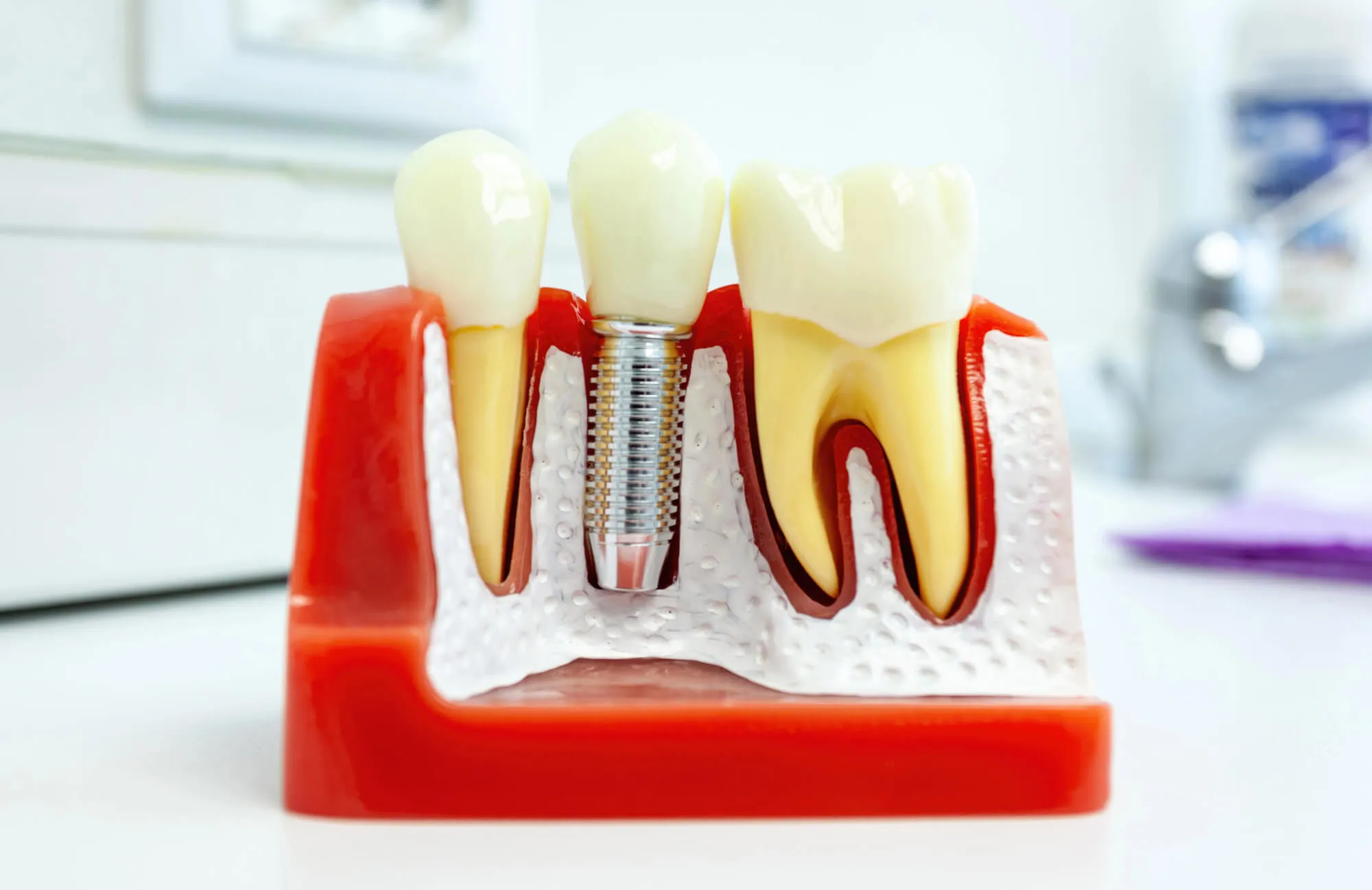
Unlike tooth replacement options that do not replace the root, a dental implant is placed within the jawbone to act as an artificial tooth root. During healing, the bone bonds with the implant through a process called osseointegration.
Because an implant transfers chewing forces into the surrounding bone, it can help maintain bone in the area and reduce the bone loss associated with a missing tooth.
Some bone remodeling is expected after tooth loss, but the amount and rate differ from person to person.
Possibly. Your dentist will evaluate the amount and quality of available bone. In some cases, a bone graft may be recommended before implant placement.
Replacing the missing tooth can help maintain the space and provide support for a stable bite.

A missing tooth can affect more than your smile. Changes beneath the gums may influence your jawbone, neighboring teeth, and bite over time. At APEX Dental Care, personalized care, patient education, and long-term oral health guide every treatment recommendation.
If you're missing a tooth and want to know whether an implant may be appropriate for you, schedule an appointment with APEX Dental Care to discuss your needs and available options.
.webp)


