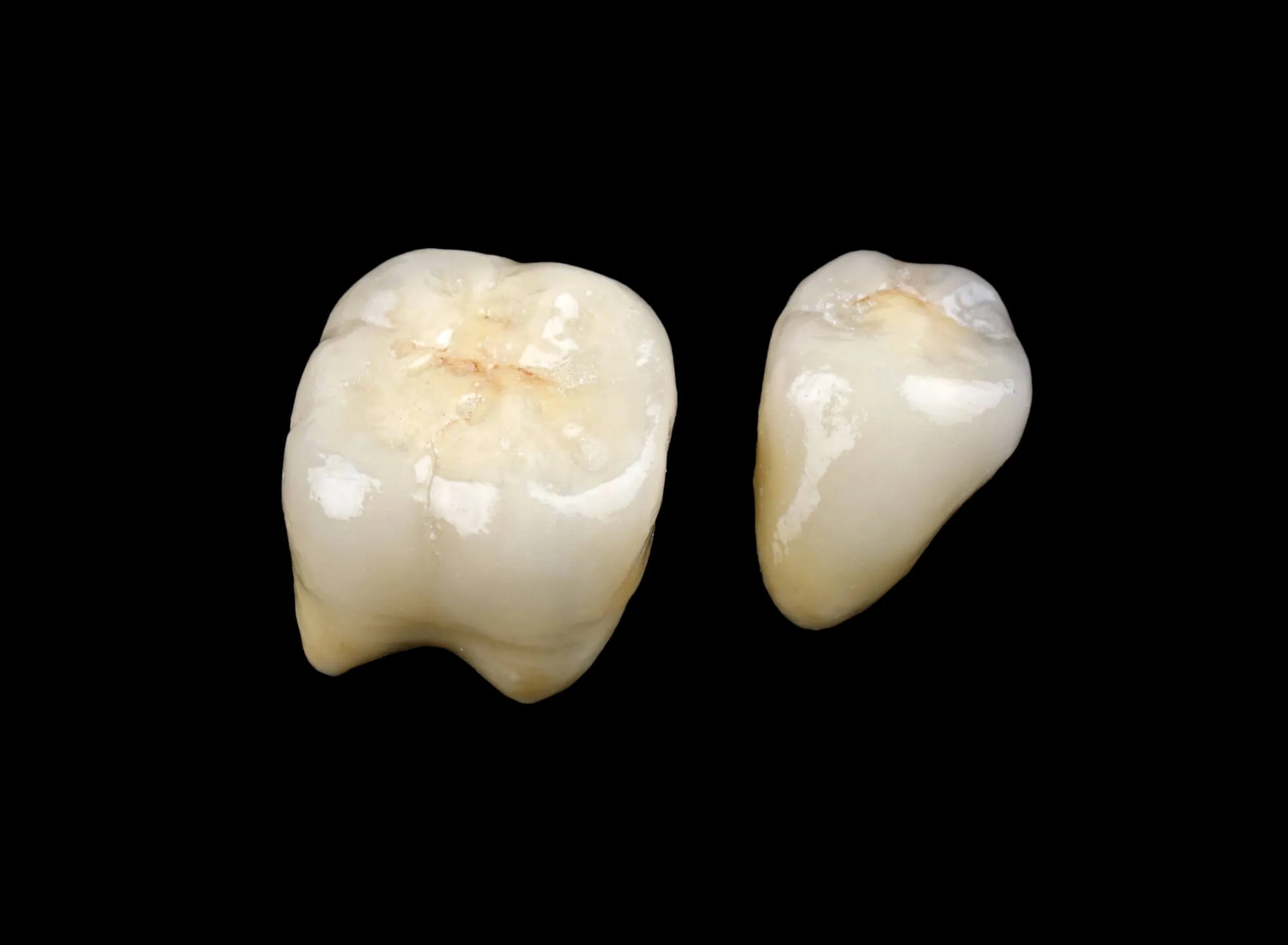
It can happen without warning—your dental crown loosens or falls off while eating or brushing. The exposed tooth may feel sensitive, and it’s easy to worry about damage or pain. Moments like this can feel stressful, especially if you’re unsure what to do next. If you rely on crowns in Issaquah, knowing how to respond right away can help protect your tooth and make the situation easier to manage until you’re seen.
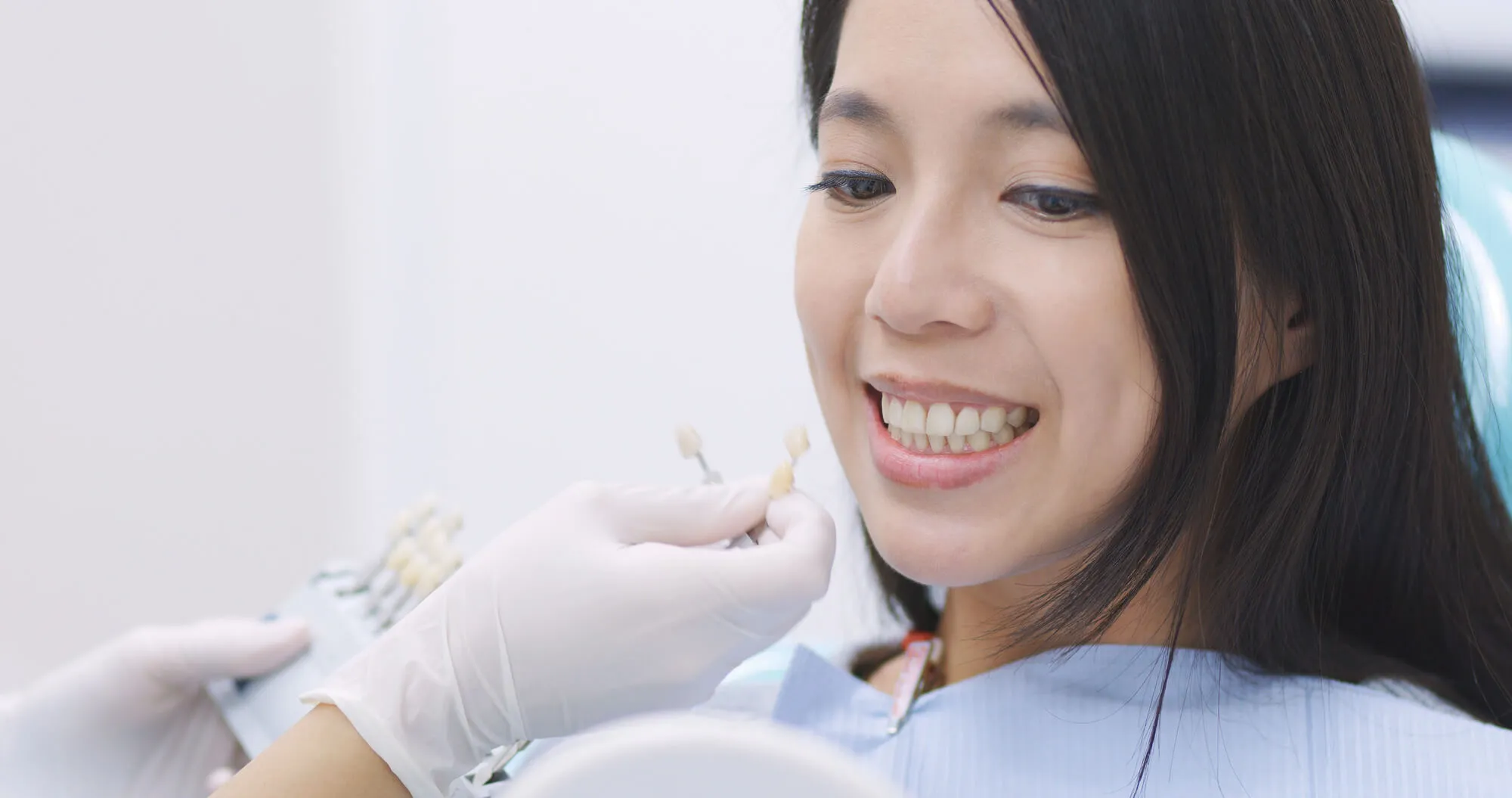
A dental crown protects a weakened tooth and restores function. When it comes off, the tooth underneath may be more sensitive or vulnerable. Acting quickly can help reduce discomfort and prevent further issues.
Start by finding the crown and placing it somewhere safe. If it’s intact, it may be possible to reattach it. Rinse it gently with water to remove debris. Avoid using toothpaste or chemicals, as these can affect the fit.
If the crown appears cracked or worn, bring it with you so your dentist can evaluate whether it can be reused or replaced.
Without the crown, the underlying tooth may react to heat, cold, or pressure. Try to chew on the opposite side and stick to softer foods for the time being.
If the tooth feels rough, dental wax from a pharmacy can help cover the area. Keeping the tooth clean by brushing gently and rinsing can also reduce irritation.
Placing the crown back on your own might seem helpful, though household adhesives can damage the tooth and surrounding tissue. These products are not designed for dental use.
In some cases, temporary dental cement can be used for short-term coverage, though it’s best to speak with your dental office first. Proper placement requires professional evaluation to ensure the crown fits securely.
A lost crown should be addressed as soon as possible. The longer the tooth remains uncovered, the more sensitive or vulnerable it may become.
Your dentist will check the condition of the tooth, examine the crown, and determine whether it can be reattached or needs replacement. Prompt care helps preserve the tooth structure and maintain comfort.
Crowns may loosen over time due to normal wear, changes in the tooth, or breakdown of the bonding material. Decay beneath the crown or habits like grinding and chewing hard foods can also affect stability.
Routine checkups allow your dentist to monitor these changes and address concerns early, helping your crown last longer.

A dental crown falling off can feel stressful, though it’s often manageable with the right steps. Acting quickly, protecting the exposed tooth, and seeking professional care can help prevent further discomfort or sensitivity. Keeping the area clean, avoiding pressure on the affected tooth, and bringing the crown to your appointment can make a difference.
Many cases can be resolved with straightforward treatment when addressed early. If your crown has come off or feels unstable, schedule an appointment with Apex Dental Care today and receive supportive, patient-focused care that helps keep your smile strong and comfortable.
.webp)


