
Your dentures used to stay comfortably in place, but lately, you may notice a little movement when you chew or speak. Maybe food slips underneath them more often, or certain areas of your gums have become sore.
It can be frustrating when a denture that once fit well suddenly feels different. The denture itself may not have changed at all. Your mouth, however, can change over time. Knowing why dentures in Issaquah become loose can help you recognize when the fit deserves a closer look.
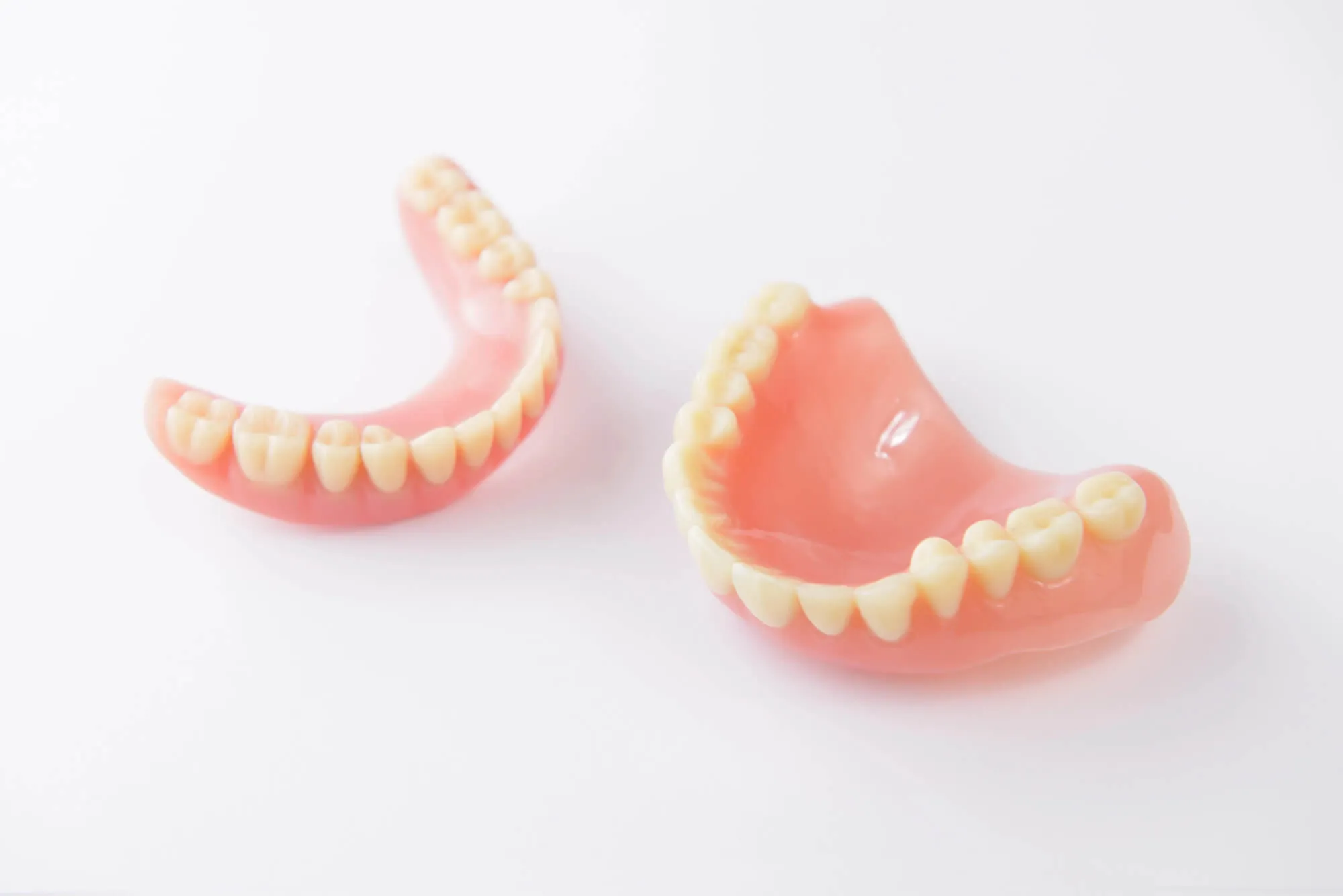
Natural tooth roots provide stimulation to the jawbone when you bite and chew. Once teeth are gone, the bone in those areas no longer receives the same stimulation. Over time, the jawbone can gradually lose volume and change shape.
As the underlying bone changes, the gums covering it change too. A denture made to fit an earlier shape of your mouth may no longer sit as closely against the gums.
The soft tissues supporting your dentures can also change. Gum contours may become thinner or shift as the underlying jawbone changes.
Even small differences can affect how securely a denture stays in place. You might notice movement while eating, speaking, laughing, or yawning. Food may also begin to collect under the denture more frequently.
Your mouth isn't the only thing that changes. Dentures are used every day, so their surfaces can gradually wear down. Changes to the teeth or denture base can affect how your upper and lower teeth meet when you bite.
Dentures may also become damaged if they are dropped or handled improperly. A crack, chip, or change in the denture base can alter the fit and should be evaluated rather than adjusted at home.
A loose feeling is one clue, but a changing fit can show up in other ways. Pay attention if you notice:
New or persistent changes are worth discussing with your dentist.
A loose denture can be tempting to manage with more adhesive or a do-it-yourself adjustment. These approaches don't address why the fit changed and may damage the denture or irritate your mouth.
Your dentist can examine your gums, evaluate your denture, and determine the cause of the movement. Depending on the condition of your mouth and denture, professional adjustment or another approach may be recommended.
Is it normal for dentures to loosen over time?
Yes. Changes in the jawbone and gums after tooth loss can gradually affect denture fit. How quickly this occurs varies from person to person.
How often should my dentures be checked?
Dentures should be evaluated during regular dental visits. You should also schedule an appointment if they become loose, uncomfortable, damaged, or noticeably different in fit.
Should dentures move when I eat?
Well-fitting dentures should remain reasonably stable during normal use. Persistent slipping, rocking, or movement while chewing is a reason to have the fit checked.
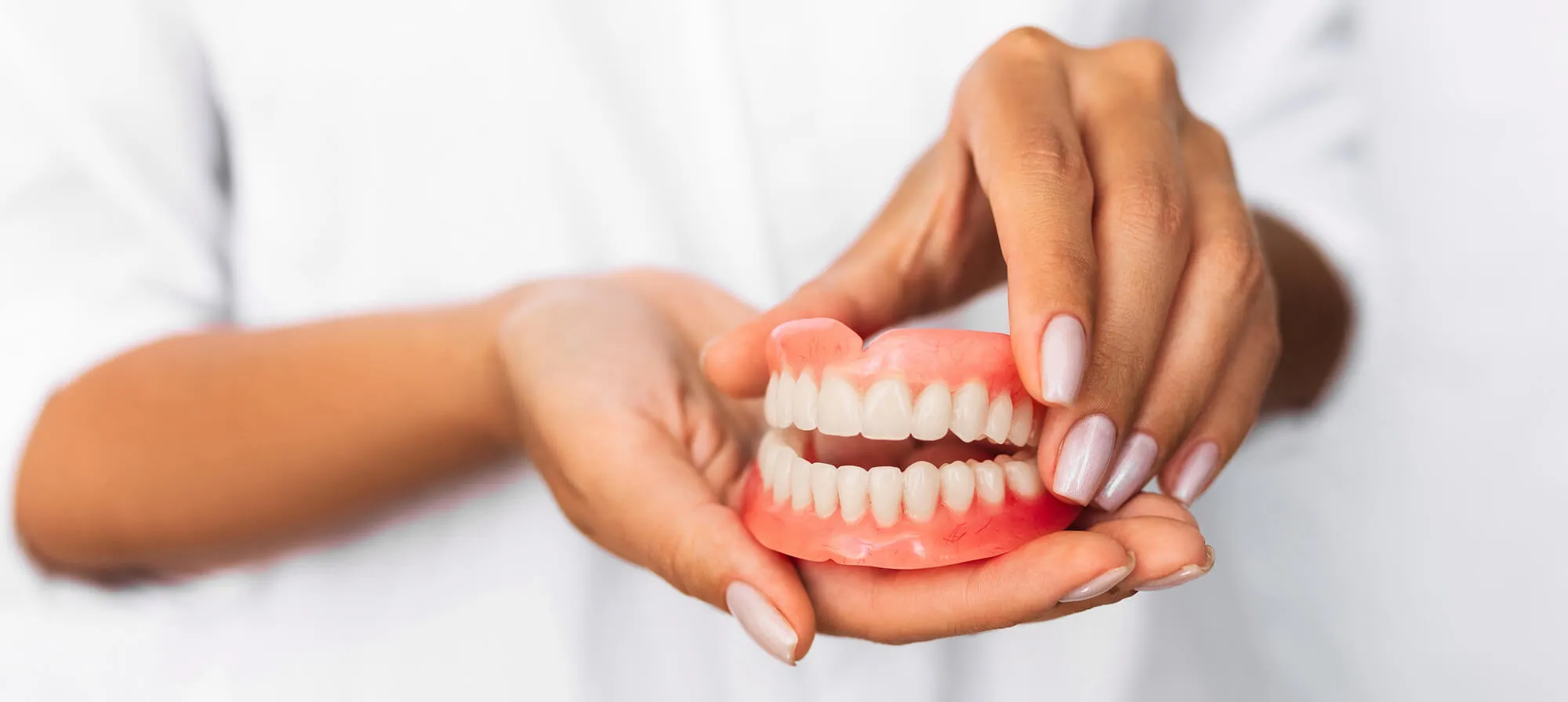
A change in denture fit doesn't mean you have to put up with slipping, soreness, or difficulty eating. Your dentist can evaluate what's changed and recommend care based on the condition of your mouth and dentures. At APEX Dental Care, our team focuses on comfortable, personalized dentistry and helping families maintain healthy, confident smiles.
If your dentures no longer feel as secure as they once did, schedule an appointment with APEX Dental Care to have their fit professionally evaluated.
.webp)


